Discover Esfiha Paulistinha Da Bahia
Walking into Esfiha Paulistinha Da Bahia feels like stepping into a place where time slows down just enough for you to enjoy real food made with care. I first stopped by on a hot afternoon while exploring downtown Jequié, and the smell of freshly baked dough drifting onto R. da Itália, 3 - Centro, Jequié - BA, 45200-190, Brazil practically pulled me inside. The counter was busy, locals chatting with staff like old friends, and trays of warm esfihas rotating steadily from the oven.
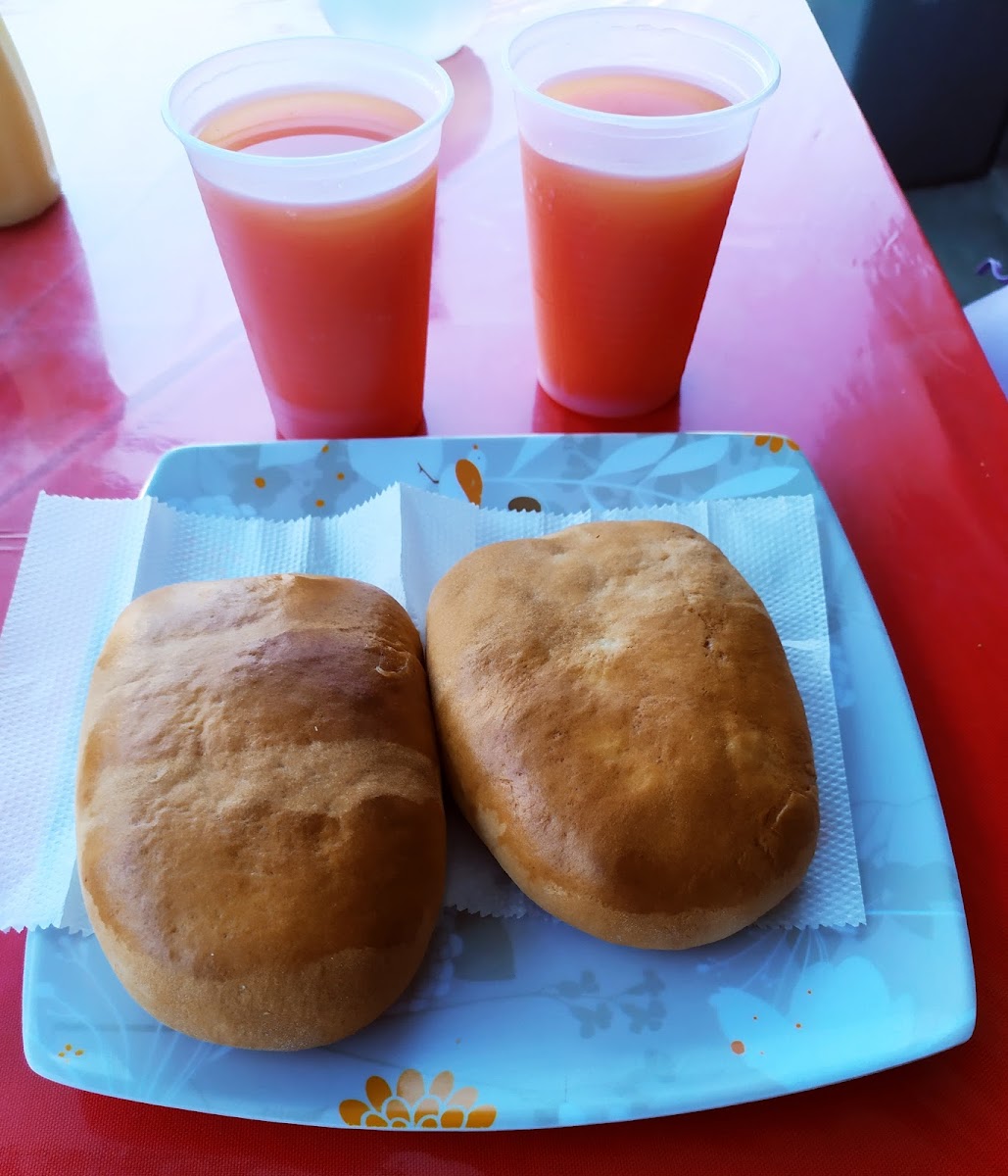
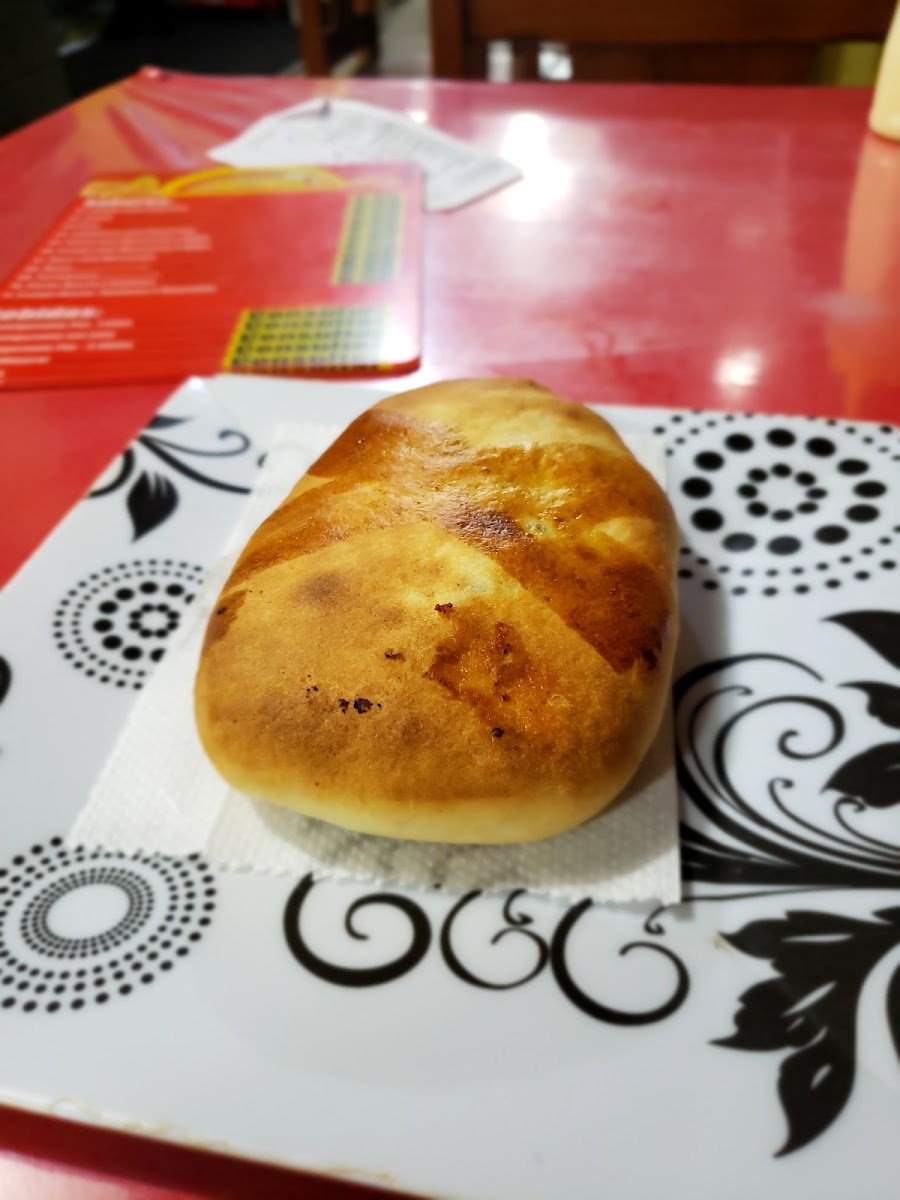
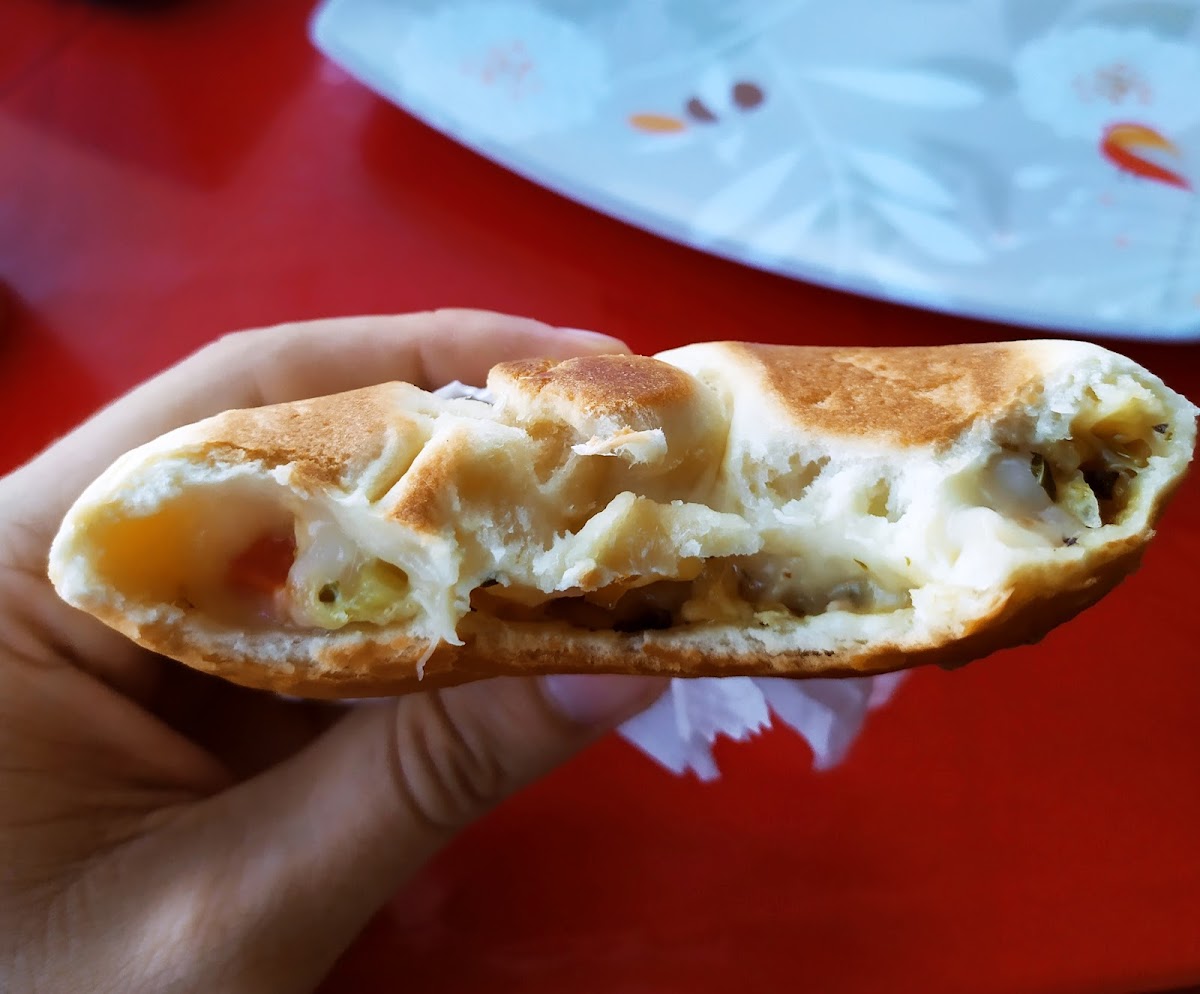
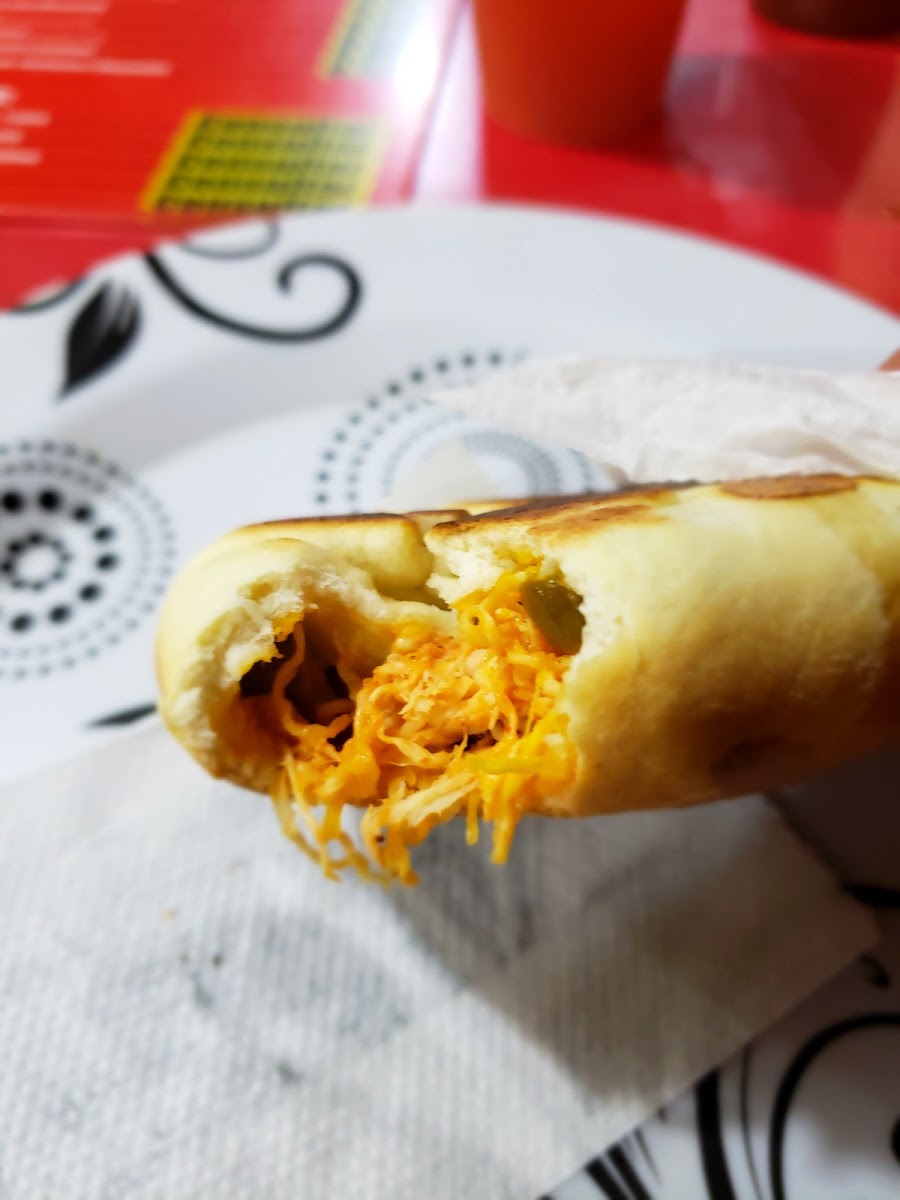
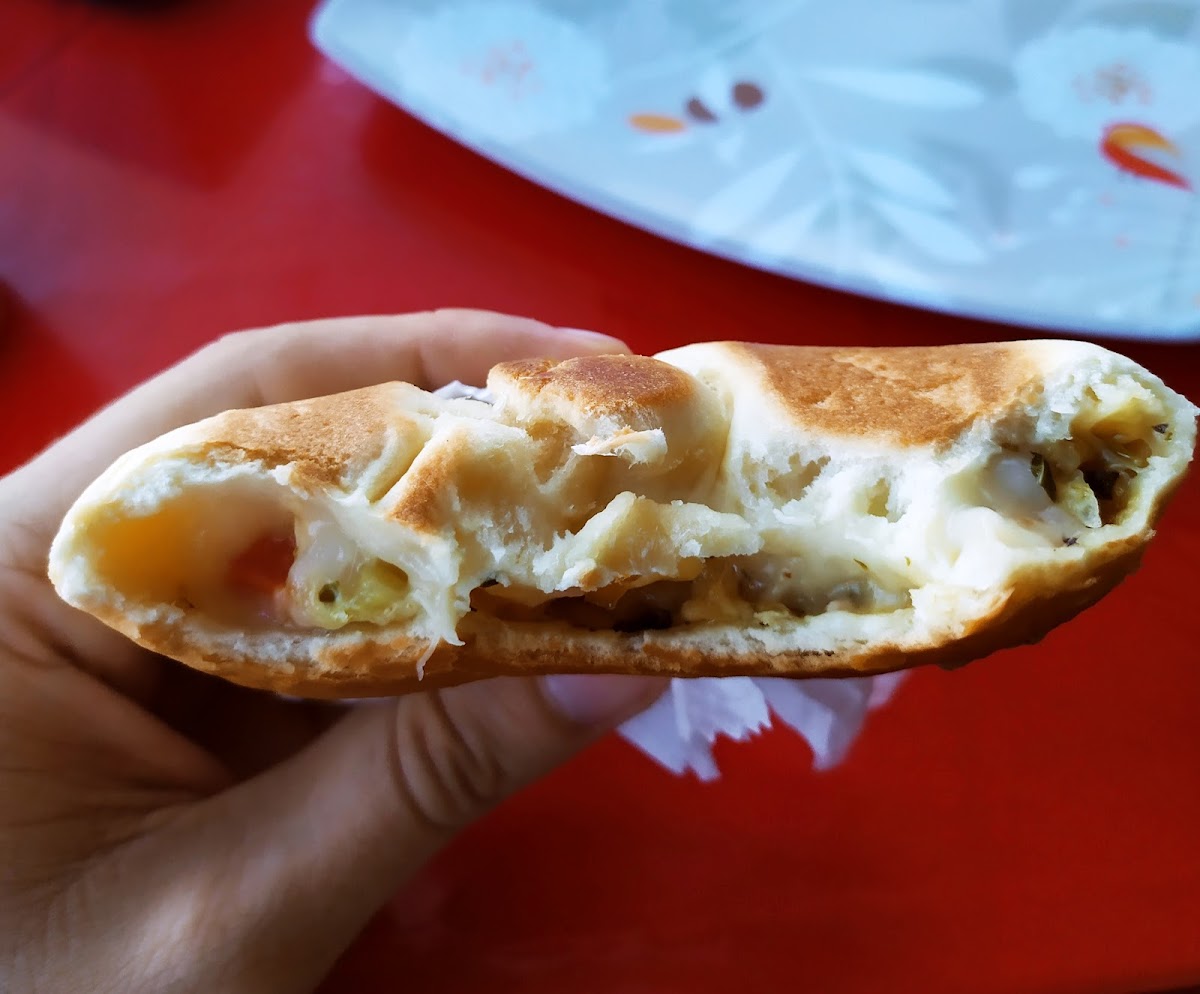
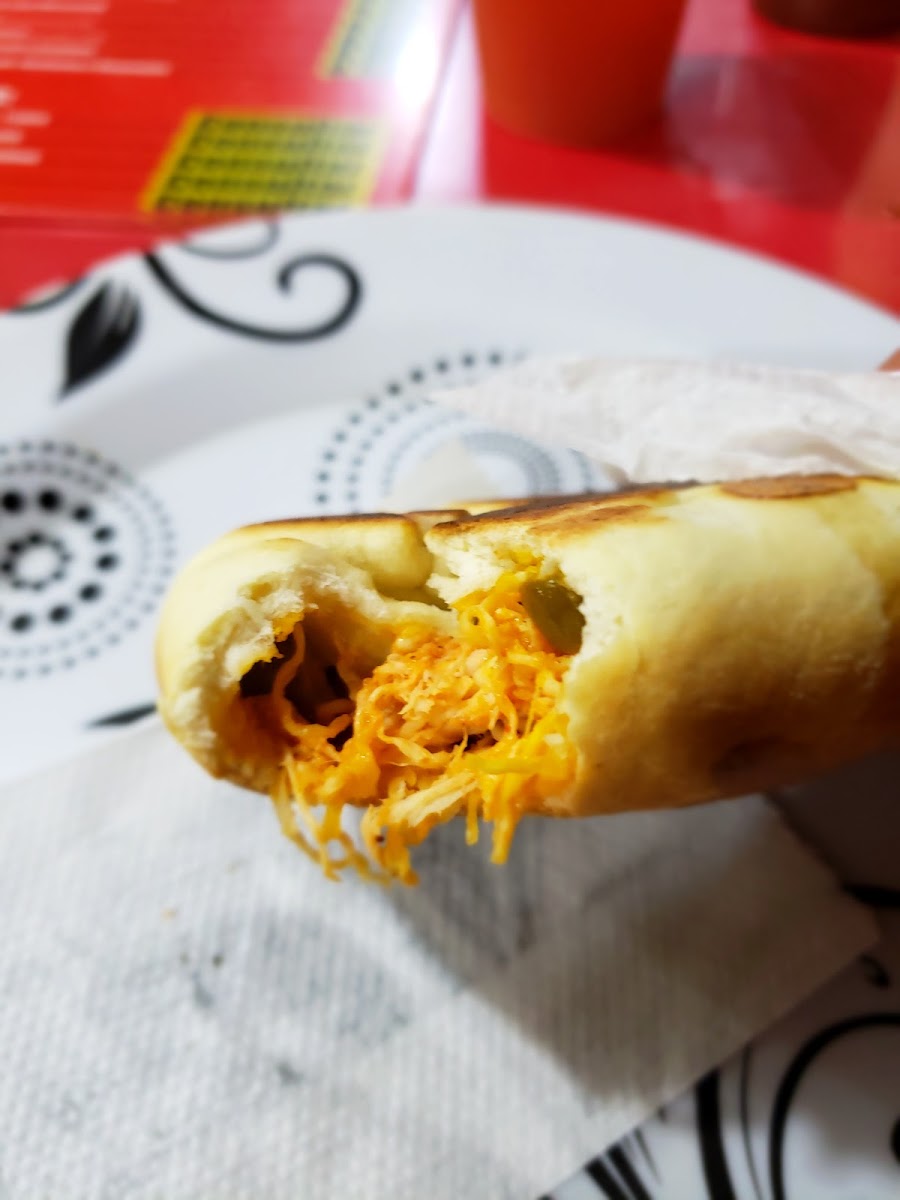
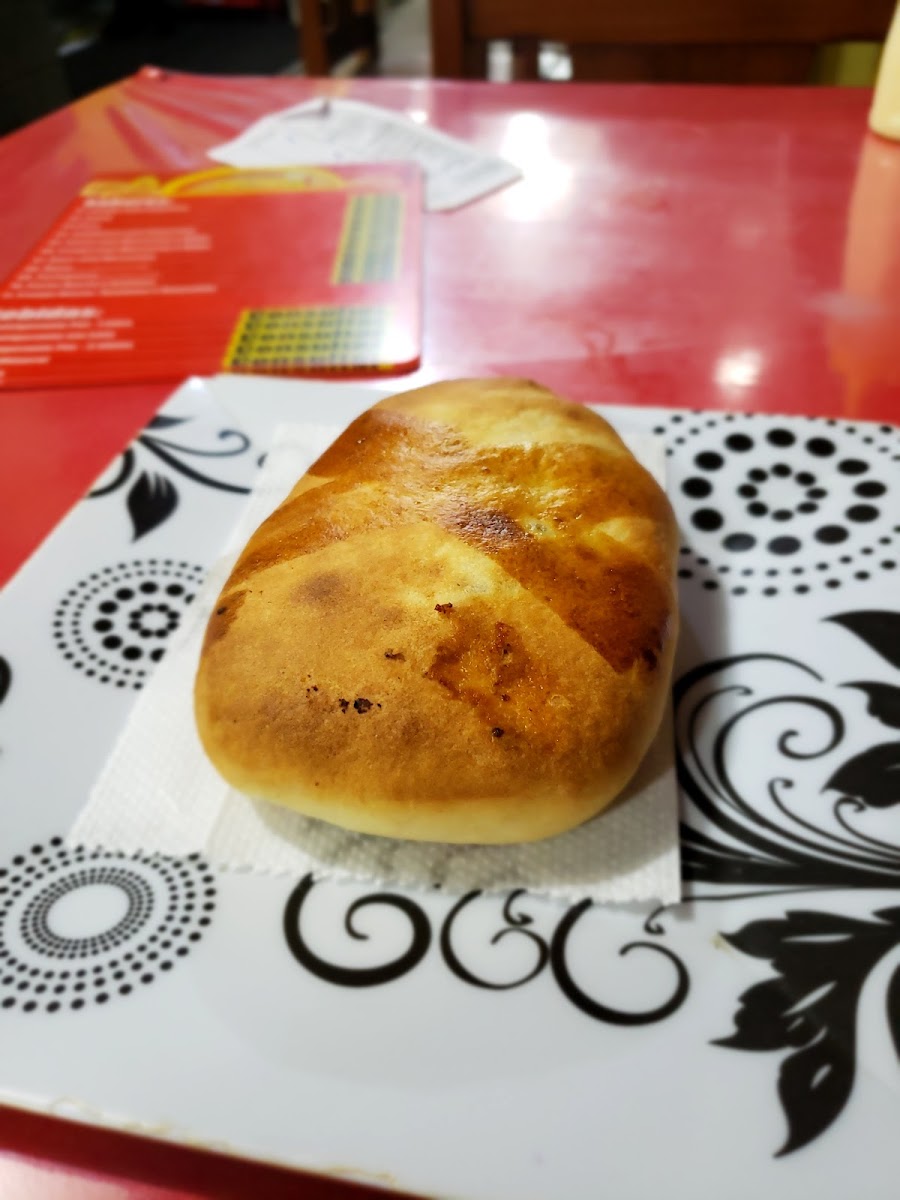
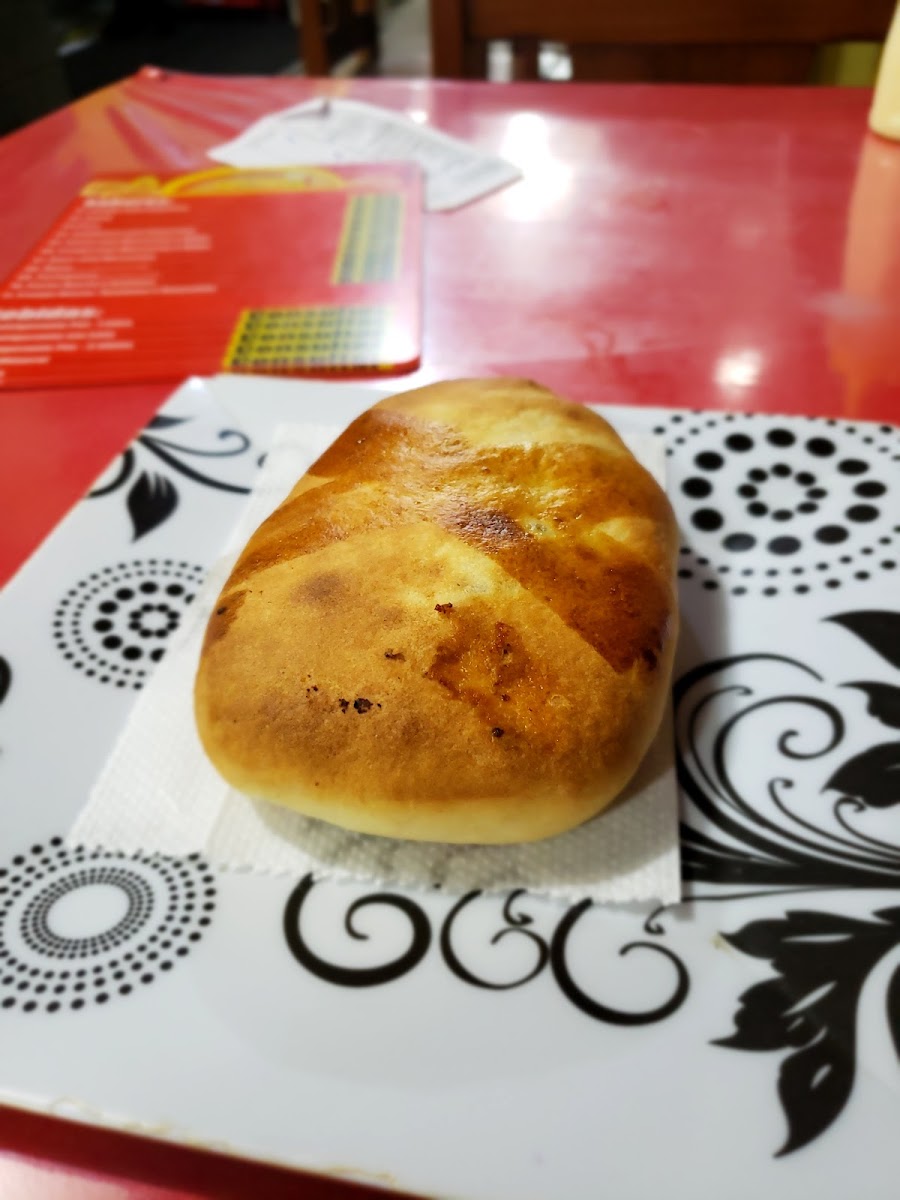
The menu keeps things simple, which is usually a good sign. You’ll find classic esfihas with seasoned beef, chicken, and cheese, alongside regional twists that nod to Bahian flavors. What stood out immediately was the dough: thin, slightly crisp on the outside, and soft in the center. According to research published by the Brazilian Association of Food Science, fermentation time and hydration levels directly affect texture and digestibility in baked goods, and you can taste that attention here. This isn’t rushed dough; it’s clearly been allowed to develop flavor before baking.
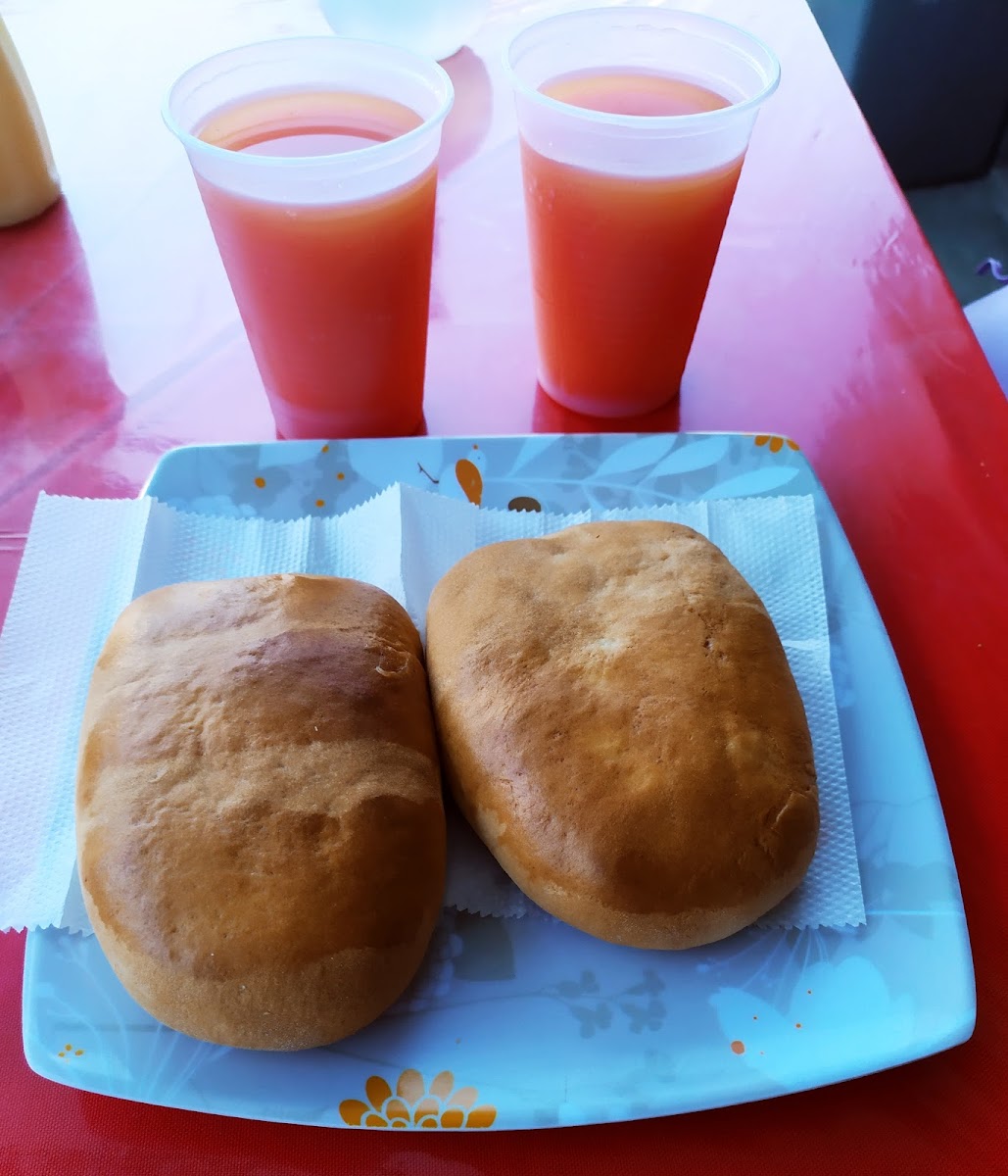
I watched part of the process while waiting for my order. The staff stretched the dough by hand, added fillings generously, and baked each batch fresh rather than reheating pre-made items. That method aligns with what SENAI’s gastronomy training programs in Brazil recommend for maintaining consistency and food safety in small restaurants. It also explains why the esfihas arrive hot, aromatic, and never soggy. When I bit into the beef esfiha, the spices were balanced, not overpowering, and the meat was moist without being greasy. It reminded me of the bold but restrained seasoning you expect from São Paulo-style esfiharias.
Reviews from regular customers echo the same points. Many mention the reliable quality, fair prices, and quick service, especially during lunch hours when nearby workers flood the place. One customer told me they come twice a week because they know exactly what they’re getting every time. That kind of consistency is hard to fake and usually comes from tight kitchen routines and experienced hands.
Beyond esfihas, the menu includes soft drinks, juices, and combo options that make it easy to grab a filling meal without spending much. Portions are practical rather than oversized, which fits the diner-style vibe. If you’re used to gourmet portions, this might feel modest, but it matches the idea of everyday comfort food. Nutrition-wise, the balance of protein and carbs works well for a midday meal, something dietitians from the Federal University of Bahia often point out when discussing traditional baked snacks in urban diets.
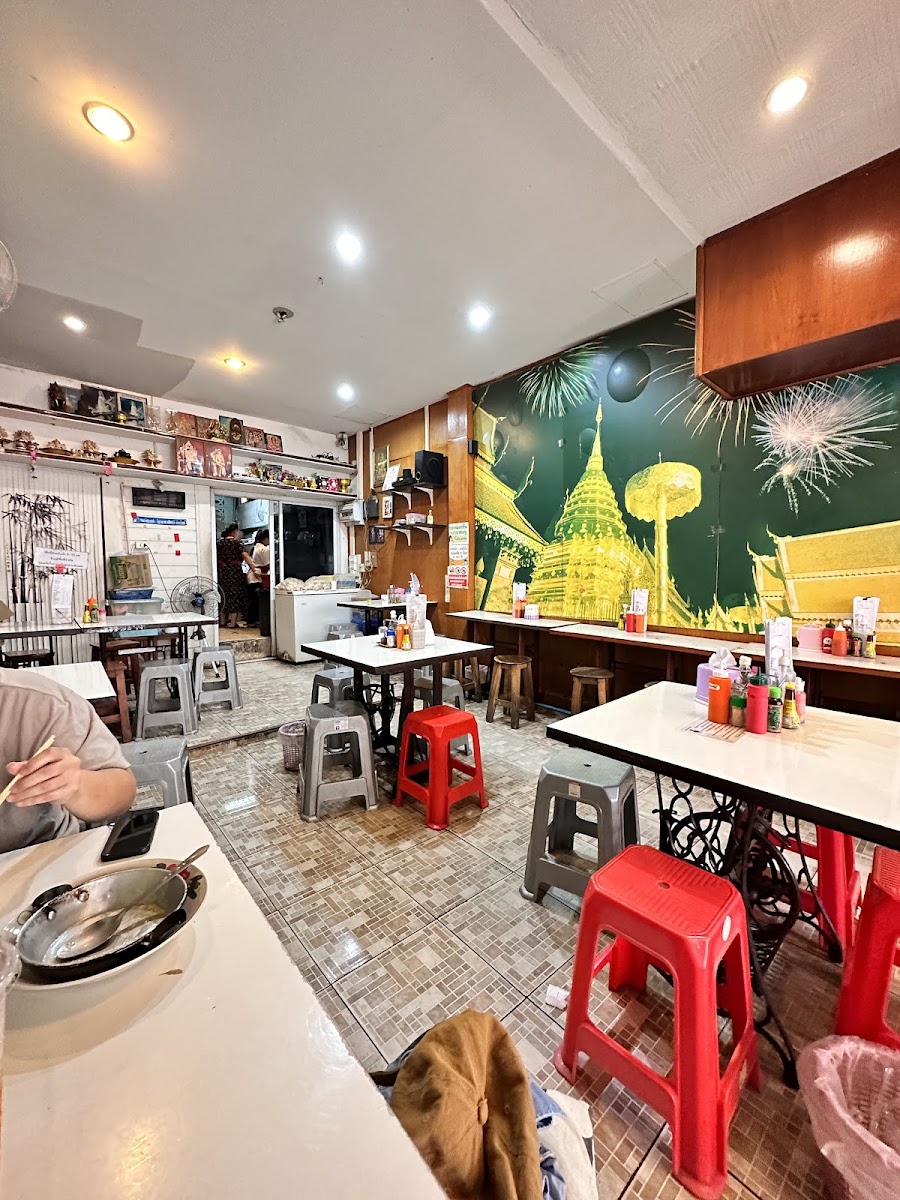
Location also plays a role in its popularity. Being right in the Centro means it’s accessible whether you’re shopping, working nearby, or just passing through Jequié. I noticed people ordering to-go just as often as dining in, which suggests trust in both hygiene and packaging. Transparency is important in food service, and while no restaurant is perfect, there were no visible gaps in cleanliness or organization during my visits.
That said, peak hours can mean a short wait, and seating is limited. If you’re planning to sit and eat, timing matters. Still, watching the steady rhythm of orders being prepared gives confidence that nothing is sitting around too long. In a world full of overcomplicated menus and inflated promises, this spot sticks to what it knows. The result is freshly baked comfort food, consistent flavors, and local reliability that keeps people coming back without needing flashy marketing or trends.